
FROM SHELL TO FILTRATION
Swimming pool renovations
The shell first, the tiles after
What does renovating a pool involve?
A pool that loses water, has mosaic tiles coming off or is stuck with twenty-year-old filtration doesn’t always need the same thing. And that’s the crux: before touching anything you have to know whether the problem is the shell (structural cracks, leaks in the pipework) or only the skin (worn lining, damaged coping). Retiling a pool that has a structural leak is throwing money away twice: once laying it and once lifting it. That’s why our first visit is a diagnosis, not a catalogue.
From the shell to the surround
What our pool renovation includes
We work on the whole pool, in parts or as a full restoration.
Leak detection and repair
We find where the water is going (shell, skimmers, pipework) and repair it before lining anything.
Lining the shell
Mosaic tiles, porcelain or reinforced membrane: we change the pool's skin with whichever material fits best.
Filtration and salt chlorination
We modernise pumps, filters and the control panel, and switch to salt chlorination to cut the upkeep.
Coping and surround
We renew the coping stone and the surrounding paving with non-slip finishes.
Changing shape or depth
We reduce the depth or alter the shell to gain safety and make better use of the pool.
Lighting and heating
LED lights, perimeter lighting and heating systems to stretch the swimming season.
Renew the lining or restore the whole pool?
It's the big fork in any pool renovation, and it can only be decided after the diagnosis. These are the two routes.
The skin is changed; the shell stays.
- When it's doneA sound shell, with no leaks or structural cracks.
- What it includesStripping the old lining, waterproofing and new tiles or membrane.
- TimescaleAround two or three weeks depending on size and material.
- ResultThe pool looks new and the upkeep improves.
- RiskIf there was an undetected leak, it reappears once the shell is relined.
Shell, pipework, filtration and surroundings.
- When it's doneLeaks, cracks, obsolete plant or a change of shape.
- What it includesStructural repair, new pipework, lining, coping and filtration.
- TimescaleFour to eight weeks depending on the scope.
- ResultA pool as good as new and far less water and chemicals used.
- RiskNone technically: it solves the problem at source.
Not sure? We'll look at it on a visit, explain it without the jargon and you decide with all the information. At no obligation.
Concrete, fibreglass and paperwork
Type of pool and permissions: what you need to know
Not every pool is renovated the same way. Concrete (gunite) pools take virtually any intervention: changing the shape, reducing the depth or rebuilding the shell. Fibreglass pools have a prefabricated shell, so the work focuses on the surface, the pipework and the surroundings. As for paperwork, renovating an existing pool without changing its size or position is usually resolved with a minor works notification; if you alter the dimensions or the shell, a licence may be required. And if the pool is communal, the health requirements for public pools also come into play. We’ll advise you on what applies in your case before starting.
A quote made for you
How much does a pool renovation cost?
There’s a long way between retiling and restoring a whole pool. This is what matters most:
The initial diagnosis
The size of the shell
The lining chosen
Filtration and extras
That’s why we don’t publish fixed rates: every case is different and we’d rather see it before giving a figure. Write or call us and we’ll arrange a no-obligation visit, with a detailed quote broken down line by line, free of charge.
How we handle pools
With a pool, the diagnosis is worth more than the catalogue. This is how we work.
Visit and diagnosis
We check the shell, the pipework, the skimmers and the filtration to find out what's really wrong before proposing anything. No obligation and no cost.
Proposal and quote
We set out the route (lining only or full restoration) with materials, timescales and an itemised quote.
Repair and execution
The structure and the pipework first, then the lining, the coping and the surrounding paving.
Commissioning
Filling, starting up the filtration, balancing the water and explaining the upkeep before we hand the pool over.
Renovated pools: before and after
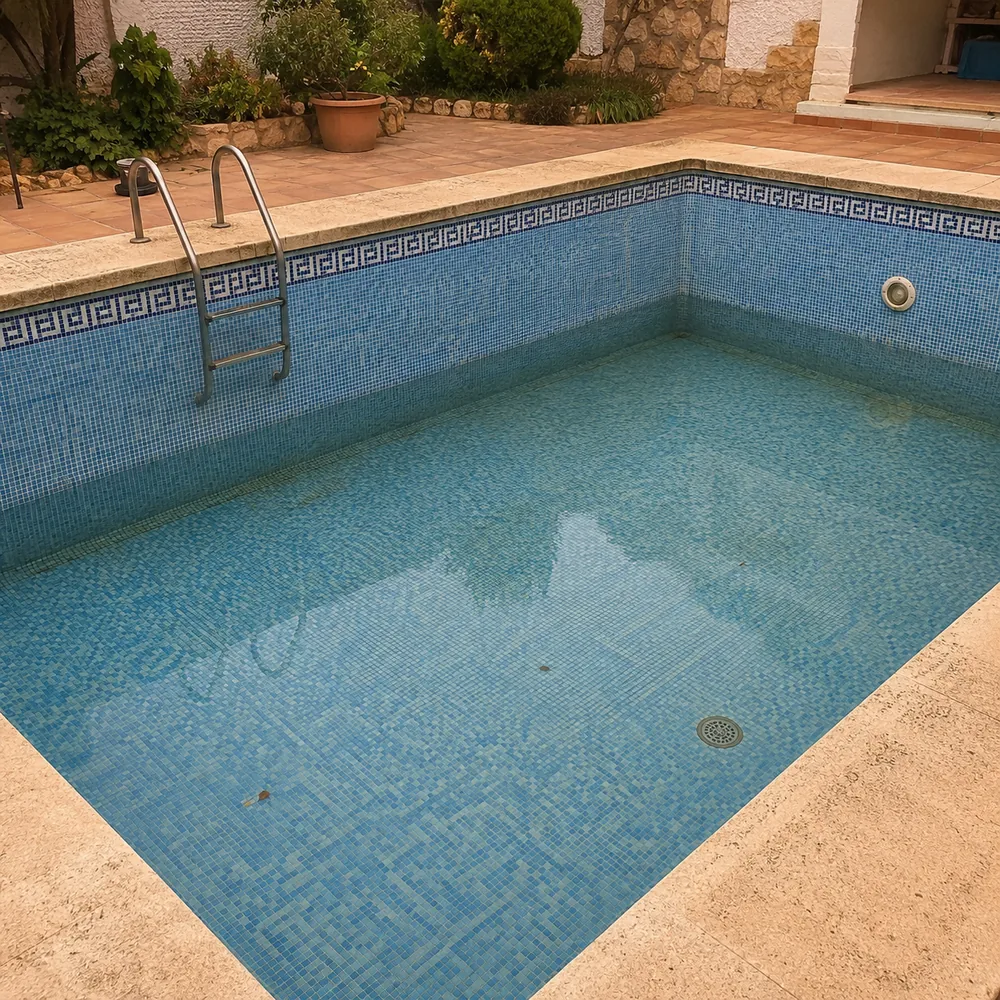
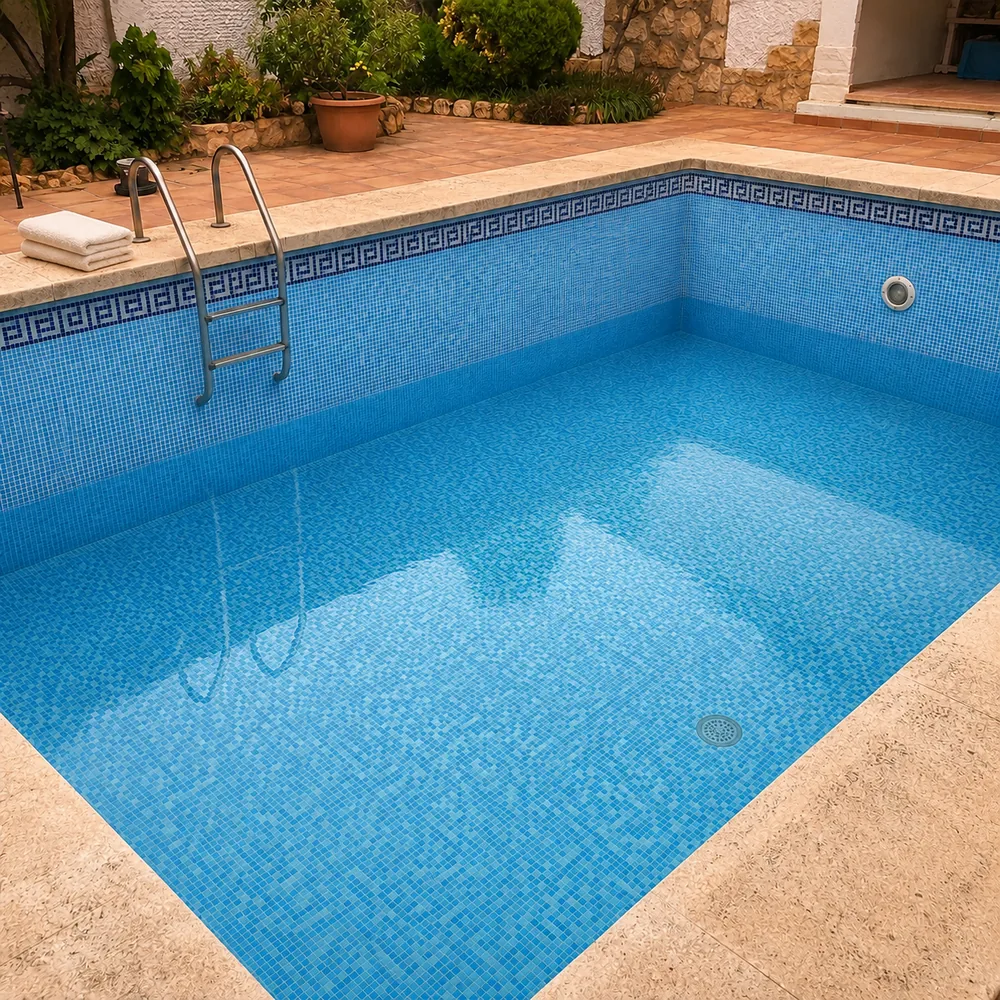
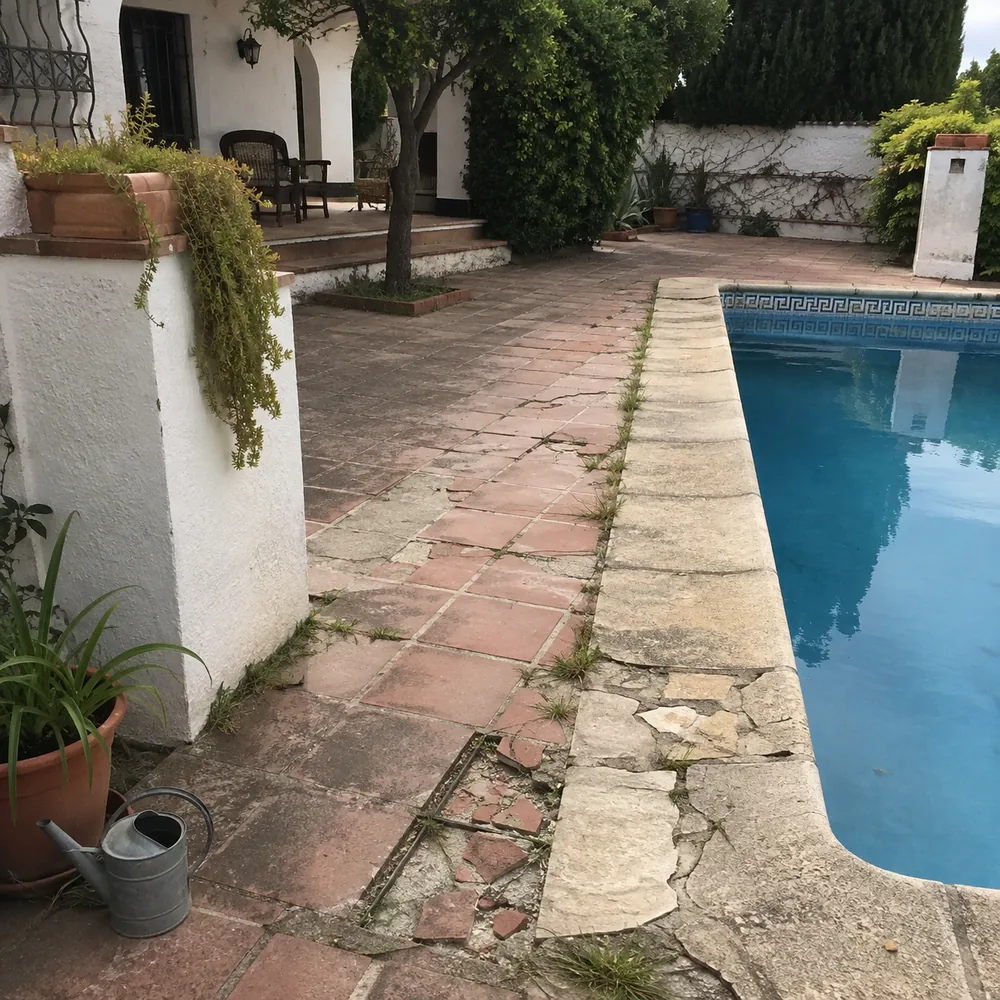
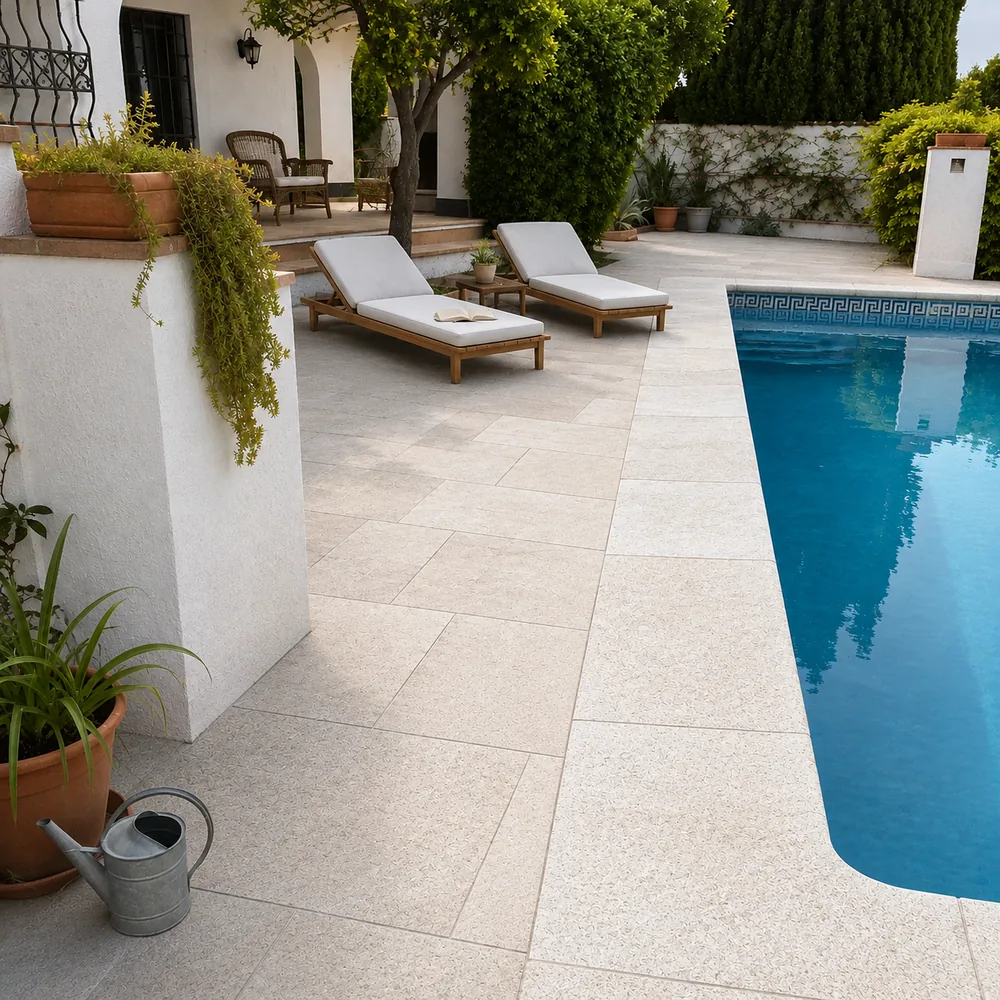
This is what the change looks like on a pool renovation. These examples show the kind of result we achieve; once we have photos of your own projects, we’ll add them here.
Frequently asked questions about pool renovations
Here are the questions we get asked most before starting. If you still have one, write to us and we’ll help, at no obligation.
It depends on whether the shell has to be repaired or only the surface renewed, on the size and on the lining chosen. That’s why the first visit is a diagnosis: without knowing whether there’s a structural leak, any figure is made up. We give you a quote broken down line by line after that inspection, at no obligation.
The classic sign is the level dropping more than evaporation would explain, and doing so with the filtration switched off too. The loss can be in the shell, the skimmers, the inlets or the buried pipework, and pinpointing it properly is exactly what stops you renovating twice.
Mosaic tiling is the classic: a durable ceramic finish that can be repaired tile by tile, though it needs the surface underneath to be in good shape and takes longer to lay. A reinforced membrane is quicker to install, adapts to awkward shapes and seals the shell, but has a shorter life. Depending on the state of your shell and your budget, we recommend one or the other.
Yes, and they’re the ones that take the most: in a gunite pool you can repair the shell, change the lining, alter the shape and even reduce the depth. It’s common in eighties and nineties pools with two metres of depth that nobody uses today.
Yes, it’s one of the most requested jobs: raising the floor to leave a safer, more usable depth gains swimmable space and reduces the volume of water to treat, which brings the upkeep down every season.
Autumn and winter. The work is done with the pool empty and out of season, the materials cure without the rush of the heat, and you reach May with everything ready. Renovating in spring is possible, but it means losing part of the summer.
In most cases yes: it cuts the chemical upkeep considerably, the water is gentler on the skin and over the medium term it repays the initial outlay. If you’re already going to touch the filtration, this is the moment to consider it.
Yes, and we coordinate the work with the managing agent so it’s carried out outside the swimming season, with an itemised quote so it can be approved at a residents’ meeting without doubts.