
NO MORE LEAKS
Terrace and roof waterproofing
The sooner the better
Is water getting through your terrace?
A damp patch on the neighbour’s ceiling, paint blistering, leaks that show up days after it rains: these are the classic signs that the waterproofing has given up. And it pays to act on them early, because water never stays still; today’s damp patch is tomorrow’s falling plaster, rusted reinforcement or dispute with the residents’ association. In Alicante the rainfall pattern doesn’t help either: months of fierce sun punishing the materials and then, all at once, a downpour that tests every joint. Waterproofing in good time is the cheapest job of all the ones it prevents.
Every surface, its own system
What we waterproof
We work on any surface exposed to water, in private homes and also in blocks and residents’ associations.
Terraces in daily use
Terraces that get walked on every day, waterproofed without losing the flooring: membranes under tiles or walk-on systems left exposed.
Flat roofs
Flat roofs on homes, used or not, where good waterproofing makes all the difference every time it rains.
Roofs on blocks and communal buildings
Full jobs on communal roofs, coordinated with the residents' association and their timetable.
Façades and party walls
Water-repellent treatments and renders that stop rainwater on vertical surfaces and exposed party walls.
Balconies and garden rooms
Small surfaces that cause big leaks: overhangs, balconies and garden rooms with their junctions and drainage properly resolved.
External wall insulation
A system that wraps the façade in insulation and a continuous finish: it keeps water out and cuts the heating and cooling bill.
Over the existing floor, or lift it?
There are two routes to waterproofing a terrace and neither is better in the abstract: it depends on the condition of the surface and on where the fault is. Here's the honest comparison.
A continuous membrane applied over the current flooring.
- When it's used If the surface underneath is sound and the fault is superficial.
- What it involves Cleaning, treating the joints and applying a liquid membrane.
- Timescale A few days, with drying time between coats.
- Rubble and disruption Minimal: nothing is broken up or taken away.
- Its limit It won't correct badly formed falls or a damaged substrate.
The flooring comes up and the whole build-up is redone.
- When it's used With long-standing leaks, a damaged substrate or badly formed falls.
- What it involves Breaking up the floor, new membrane, forming the falls and new flooring.
- Timescale One or two weeks depending on the area.
- Rubble and disruption It's building work: breaking up, taking waste away and laying a new floor.
- The upside It solves the problem at source and you get a brand-new terrace.
Not sure which one your terrace needs? The first job is diagnosing where the water gets in; we check it on the visit and tell you straight, at no obligation.
No loyalty to any one material
Which waterproofing system is best?
The million-euro question has an awkward answer: it depends on the surface and the use. Liquid polyurethane forms a continuous, seamless membrane, ideal for terraces with lots of junctions and drains; bituminous sheeting is the reliable classic for flat roofs and new build; EPDM stands out for its flexibility and how well it takes the sun; and polyurea, applied hot, gives an extremely tough finish for badly punished surfaces. We work with all of them precisely so we don’t have to sell you the material that suits us, but the one that suits your terrace; that’s the difference between applying a product and solving a problem.
A quote made for you
How much does it cost to waterproof a terrace?
The price works out per square metre, but every roof has its own story. This is what matters most:
The area and the state of the surface
The system and the material
Walked on or not
Repairs beforehand
That’s why we don’t publish fixed rates: every roof is different and we’d rather see yours before giving a figure. Write or call us and we’ll arrange a no-obligation visit, with a detailed quote broken down line by line, free of charge.
How we waterproof
Waterproofing isn't applying a product: it's solving a water problem. This is how we work from start to finish.
Inspection and diagnosis
We find where the leak really starts: joints, junctions, drains or the substrate itself. Without a diagnosis there's no serious quote. No obligation and no cost.
Proposal and detailed quote
We propose the right system for your surface and your use, with the price per square metre broken down line by line.
Applying it coat by coat
We prepare the surface, treat joints and junctions and apply the system respecting thicknesses and drying times between coats.
Water test and handover
We test with water that the surface is watertight before calling the job done, and explain the small amount of upkeep it needs to last for years.
Waterproofing, before and after
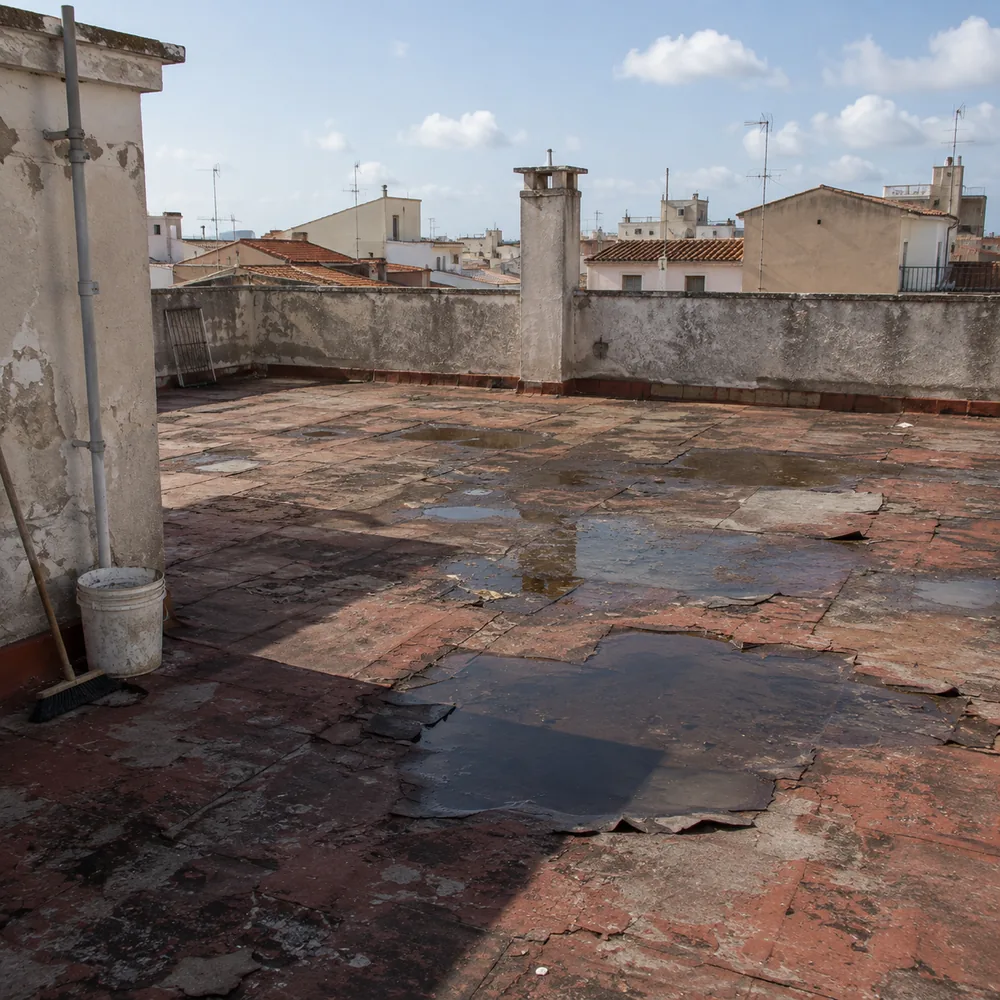
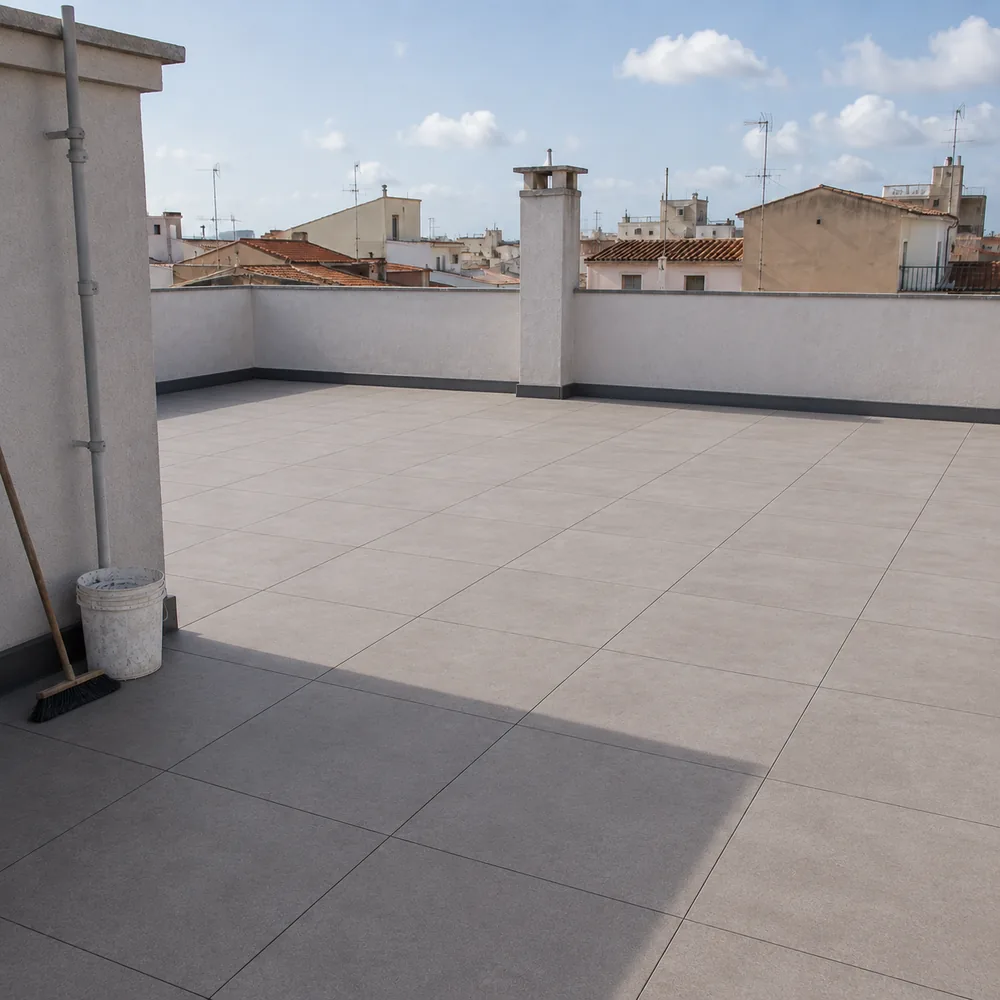
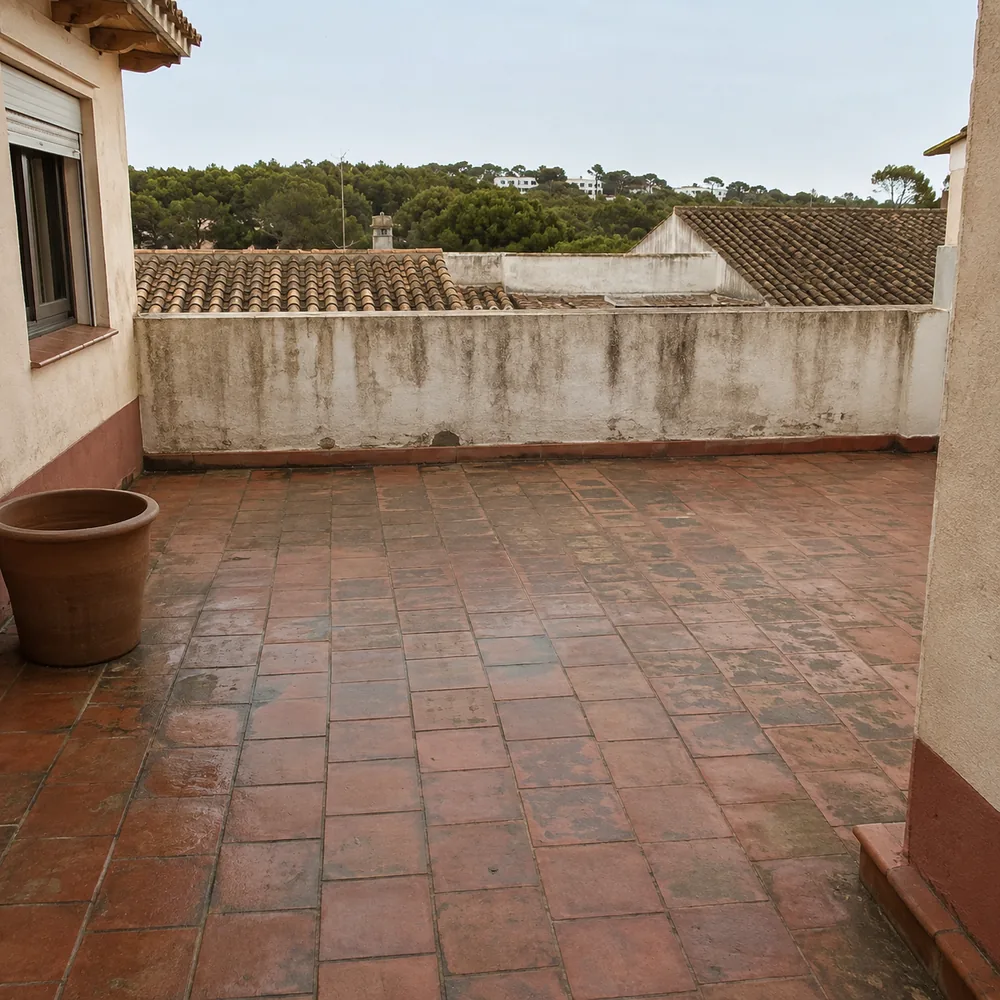
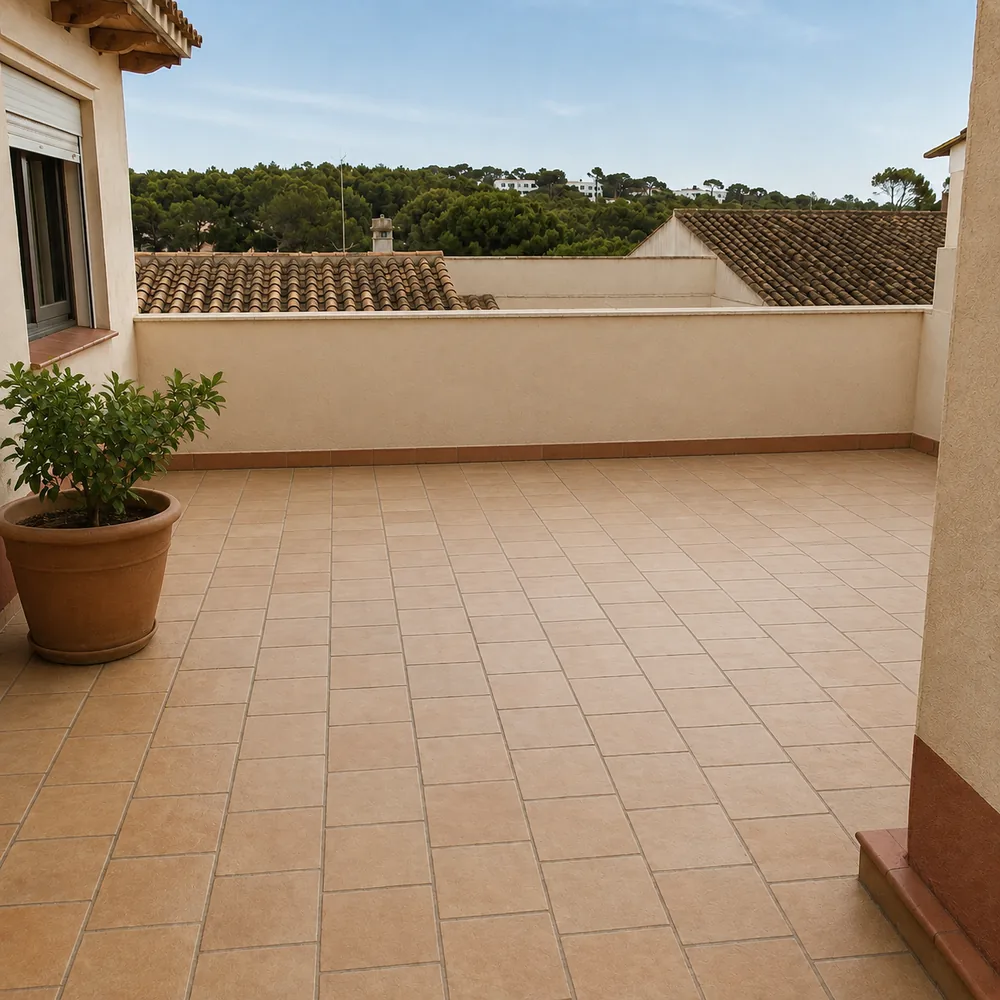
This is what the change looks like on a waterproofing job. These examples show the kind of result we achieve; once we have photos of your own projects, we’ll add them here.
Frequently asked questions about waterproofing
Here are the questions we get asked most about leaks, terraces and roofs. If you still have one, write to us and we’ll help, at no obligation.
There’s no best system in the abstract: it depends on the surface, the use and the condition of the terrace. Liquid polyurethane is ideal for surfaces with lots of junctions; bituminous sheeting is the reliable classic on flat roofs; EPDM takes the sun very well; and polyurea is the toughest option for badly punished surfaces. On the visit we look at your case and recommend the one that suits.
The best way starts before the material: diagnosing where the water gets in, repairing the substrate, treating joints and junctions, applying the system in the right coats and thicknesses, and testing it’s watertight at the end. Most waterproofing that fails doesn’t fail because of the product, but because one of those steps was skipped.
It depends on the system chosen, the condition of the surface and whether the terrace is walked on, so the same area can produce very different quotes. We don’t publish fixed rates: we look at your terrace on a no-obligation visit and give you a detailed, itemised price per square metre.
Yes, as long as the surface underneath is sound and the fault is superficial: it’s cleaned, the joints are treated and a continuous liquid membrane goes over the existing flooring. If there are long-standing leaks, the substrate is damaged or the falls are badly formed, the honest answer is to lift and redo it; covering a fault only hides it for a season.
Done properly and with a little upkeep, waterproofing usually lasts between ten and twenty-five years depending on the system, the exposure to sun and how the terrace is used. What shortens its life most is poor application and badly finished junctions; that’s why we test it’s watertight before handing over.
Yes. We waterproof roofs and façades on whole buildings, working with the managing agent and the association to plan the job, and we provide an itemised quote so it can be approved clearly at a residents’ meeting.
External wall insulation wraps the façade in insulating boards and a continuous render. As well as cutting the heating and cooling bill, it protects the wall from rainwater, so it solves two common problems of older façades at once: the cold-and-heat swing and the damp.
That’s the key question, because water travels: the damp patch is almost never directly below the fault. We check joints, junctions, drains and the general condition of the surface to find the source before proposing anything; repairing the wrong spot is the quickest way to pay twice.