
Modernise Without Losing Its Charm
Old House Renovation
HOMES WITH HISTORY
What does renovating an old house involve?
Renovating an old house isn’t the same as renovating a modern home. Under the finishes there’s usually obsolete wiring and pipework, rising damp, insulation problems and, in many cases, a structure that needs strengthening.
That’s why a full renovation of an old house demands a particular order of work: first sort out what you can’t see, the structure, the services and the insulation, and only then move on to the look of it. Doing it properly from the start avoids surprises, meets today’s regulations and gives you a home that’s safe, efficient and good for many years.
The right order
Where to start when renovating an old house
In an old house, the order of the work is everything. Starting with the
look before sorting out the structure is the most expensive mistake there is.
This is the path we follow to do it properly.
Assessing the structure
Before demolishing anything, we check the state of the load-bearing walls, beams and roof. In old houses it's often necessary to strengthen the structure or renew the roof to make the rest of the work safe.
Damp and insulation
Rising damp is very common in older homes. We deal with it at source and add insulation to walls and roofs, cutting energy use dramatically.
Renewing the services
We completely replace the electrical wiring and the plumbing. It's required to meet today's regulations and it heads off breakdowns and risks in installations that are usually badly out of date.
Reworking the layout and letting light in
Old houses tend to be very chopped up. By taking down the walls that aren't structural we create larger, brighter spaces, suited to the way people live today.
Finishes and original features
Then comes the turn of floors, paint, kitchen and bathrooms. Wherever possible we restore features worth keeping such as timber beams, mouldings or hydraulic floor tiles: they give a character that can't be replicated.
Inspiration
Ideas for renovating an old house without losing its soul
Modernising an old house doesn’t mean erasing its history. The best renovations combine the best of both worlds: the warmth of the original materials with today’s comfort and practicality. These are the ideas that work best.
Bring back the hydraulic floor tiles
Leave the timber beams exposed
Mix traditional and modern materials
Open the spaces up and gain light
Every house, its own project
The kinds of older property we renovate
Renovating a village house isn’t the same as an old flat right in the centre. We fit each project to the type of property, its condition and its quirks.
Old village houses
Older flats
Small old houses
Older villas
How we run the renovation
Renovating an old house takes method and experience. This is how we run every project from start to finish, so you always know what's happening in your home.
Visit and assessing the space
We come to your property, assess the real state of the structure, the services and any damp, and listen to what you need. No obligation and no cost.
Detailed quote
Within a few days you get a quote broken down line by line: structural strengthening, services, insulation, finishes and everything your renovation covers. No small print and no hidden costs.
Carrying out the work
Our team starts on the agreed date with every trade coordinated and in the right order. We send you regular updates on progress so you're informed throughout.
Handover and final check
We go through every detail with you before calling the job done. The renovation ends when you're happy with the result, not before.
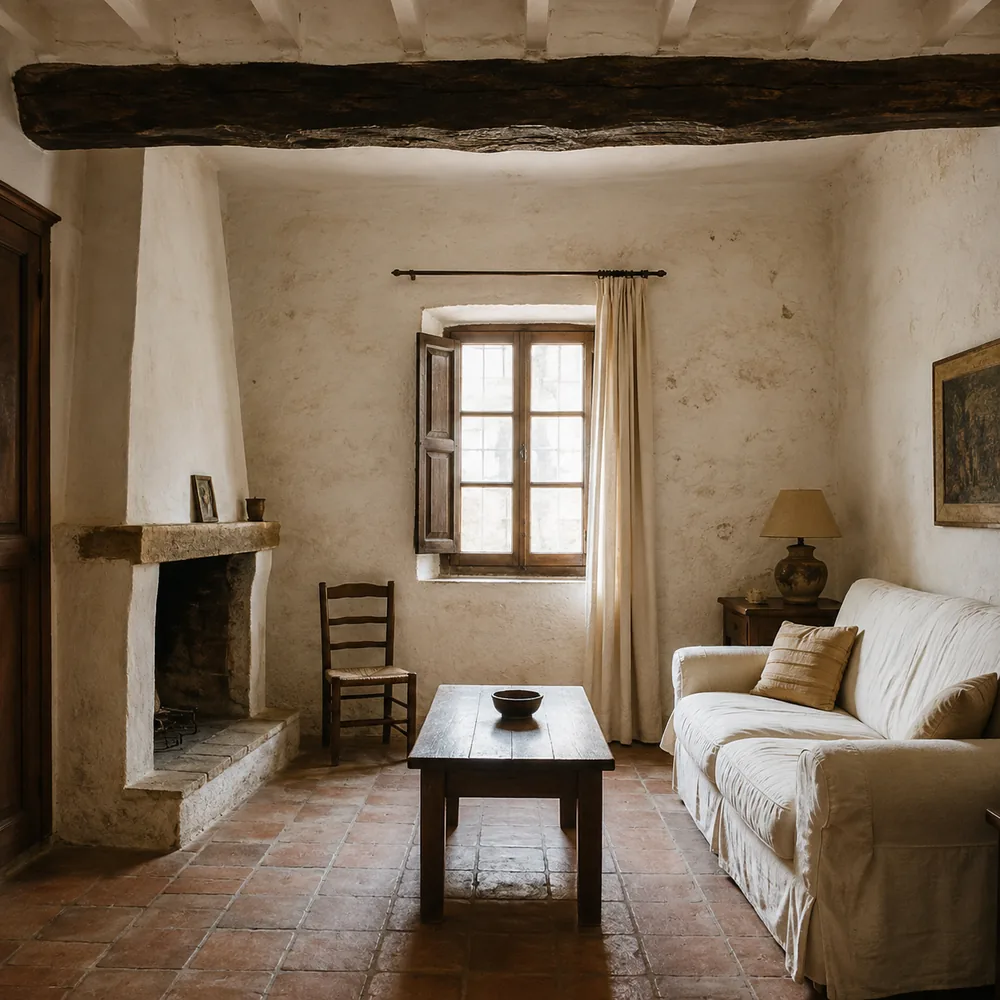
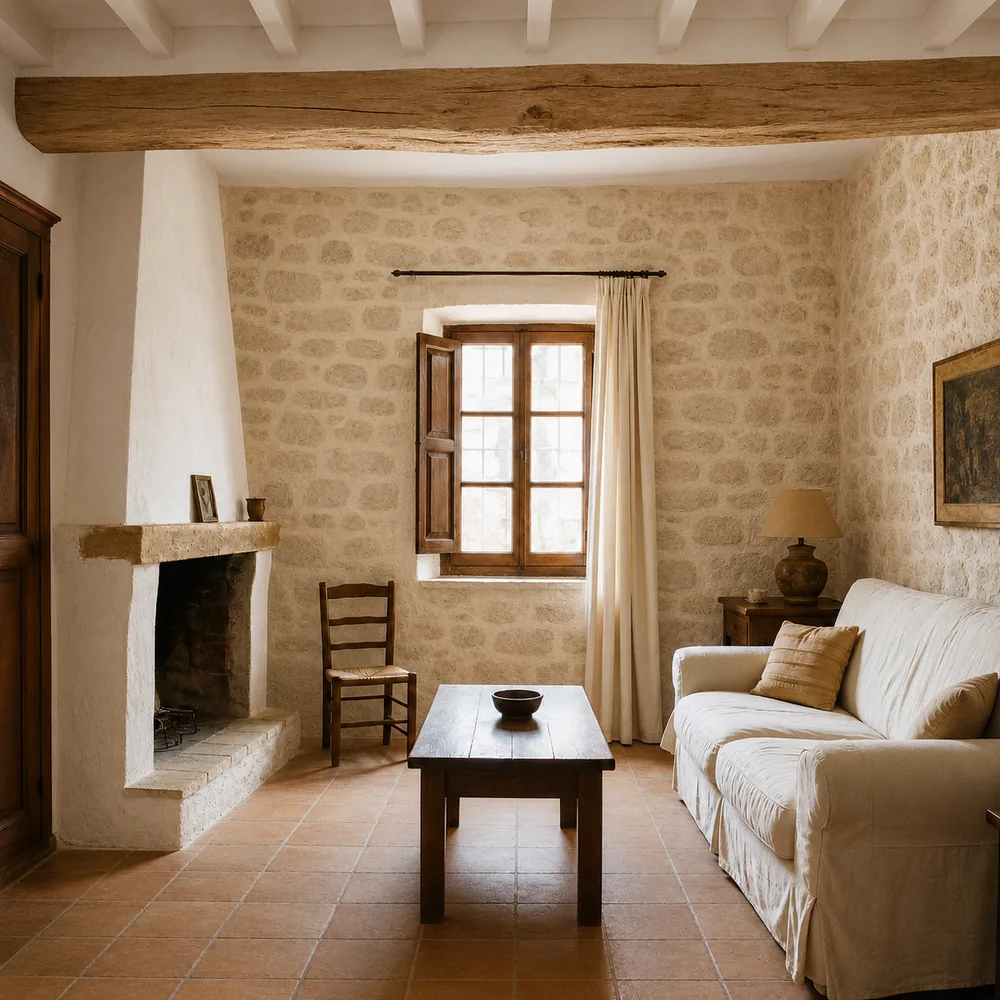
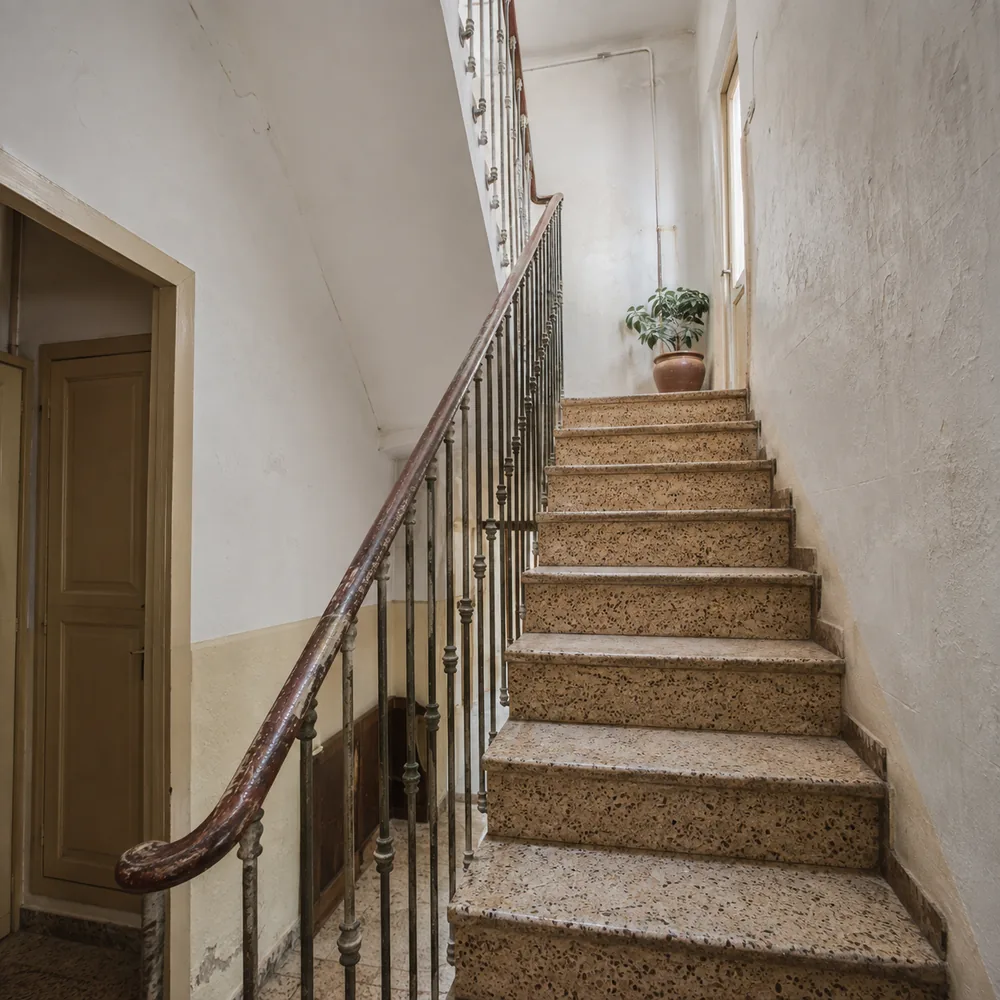
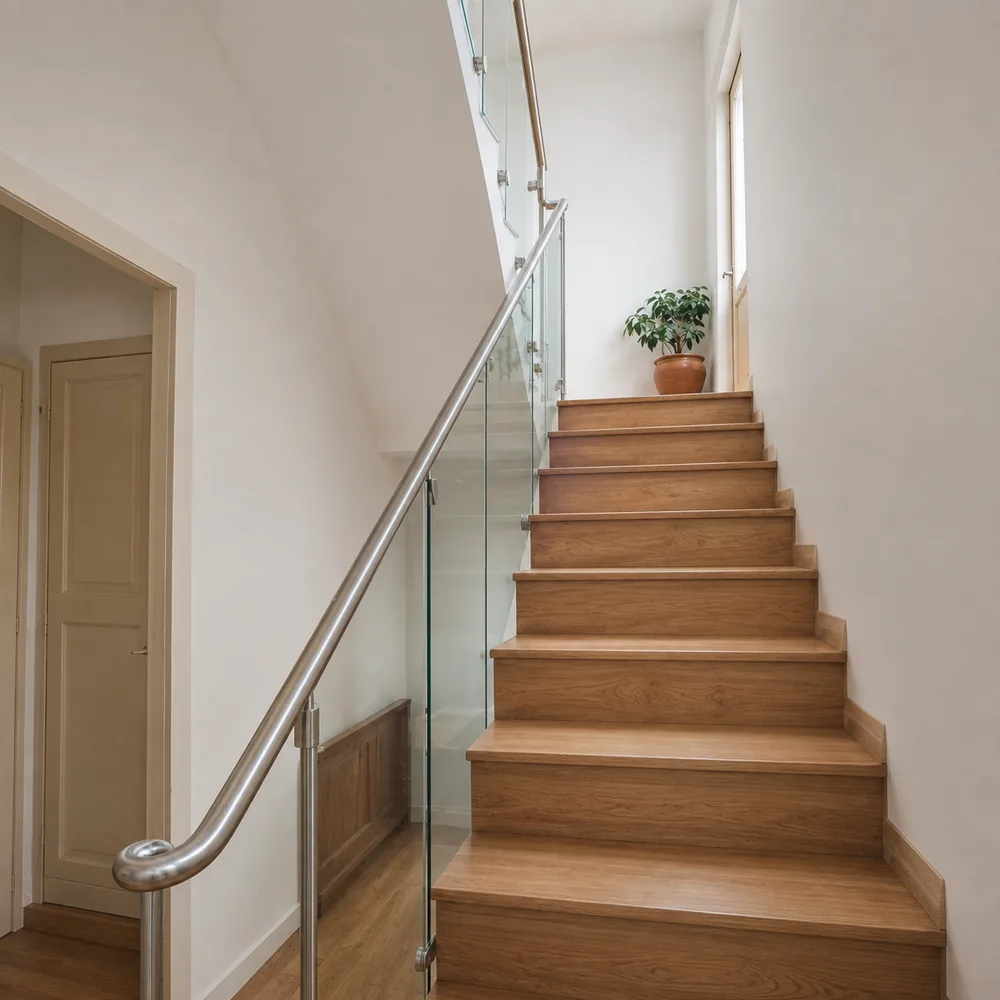
Old house renovation photo gallery
This is what the change looks like on an old house restoration. These examples show the kind of result we achieve; once we have photos of your own projects, we’ll add them here.
Frequently asked questions about renovating an old house
If you still have questions you can look through our FAQs or get in touch by any of the ways listed.
The price of a full renovation of an old house usually runs between €600 and €1,200 per m², above a standard renovation because of the structural strengthening, the complete renewal of the services and the damp treatment. For example, a 150 m² house may come in between €90,000 and €180,000. The only way to know what your project will really cost is a detailed quote after the visit, which we do at no obligation.
It depends on the scope. If the renovation affects the structure or the layout, you’ll need a major works licence and a technical design certified by an architect. For renovations that don’t touch the structure, a minor licence is usually enough. We advise you and handle all the paperwork.
Yes. It’s one of the most common jobs in this kind of renovation. We strengthen load-bearing walls, beams and floors, and renew the roof where necessary, making the property safe before carrying on with the rest of the work.
In most cases, renovating adds value to the property and lets you keep its location and its original charm at less than the cost of buying an equivalent new home. A full renovation also lets you tailor the space completely and improve its energy efficiency.
Rising damp, very common in older properties, is resolved by combining waterproofing, drainage systems and better insulation. Treating it at source during the renovation stops it coming back and noticeably cuts the property’s energy use.